Category: Case Studies

A single mother assisting her daughter using a tablet device

2020, Case Studies

Case study: Digital inclusion, low-income families, and online education in the wake of the COVID-19 pandemic

As schools physically closed around the country in response to the COVID-19 pandemic there were varied experiences of home-schooling from families with different levels of digital inclusion.
Two friends looking at a mobile together

2019, Case Studies

Case study: Recently-arrived Culturally and Linguistically Diverse migrants

Overall, Australia’s Culturally and Linguistically Diverse (CALD) migrant population records a relatively high level of digital inclusion, with above average levels of Access, Affordability and Digital Ability.
A pelican in water in remote Pormpuraaw Ausrtralia

2019, Case Studies

Case study: A remote Indigenous community – Pormpuraaw

Research conducted in the remote community of Pormpuraaw in far north QLD indicates that digital inclusion for Indigenous Australians further diminishes with remoteness, particularly in relation to Access and Affordability.
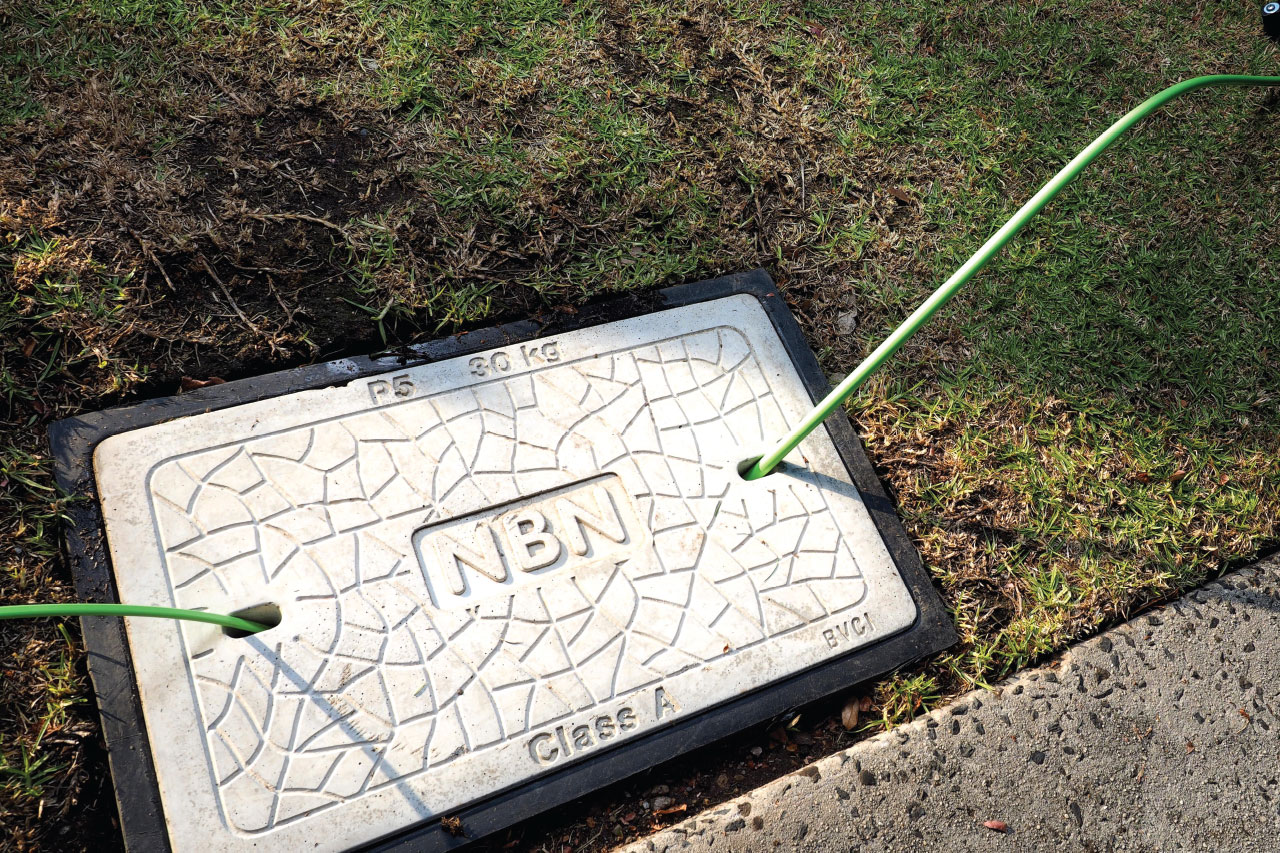
NBN transmission cable manhole in ground

2019, Case Studies

Case study: The NBN and digital inclusion

The NBN was designed to reduce the digital disadvantage of regional and remote Australia. The Index shows that it has made a positive difference. But the NBN’s long term effects on Australia’s digital inclusion performance are likely to be complex, and its capacity to meet the future data and network requirements will depend on further investment.
Landscape image of Ali Curing in remote Australia

2018, Case Studies

Case study: Remote Indigenous community – Ali Curung

The Ali Curung findings reveal some of the complexities of digital inclusion in remote Indigenous communities. While local patterns of use suggest the internet is an important lifeline for those in remote communities, accessing it comes at a higher cost than it does for those in the cities and towns.
A man with hearing impairment working on a laptop and looking at a mobile phone

2018, Case Studies

Case study: The deaf and hard of hearing community

Technological advancements continue to enhance the day to day lives of Australians with disability. Results of a recent survey conducted by the ADII research team indicates that the deaf and hard of hearing (DHH) community has embraced digital communication as one such technology, but this comes at cost.
An indigenous mother and child looking at a tablet device together

2018, Case Studies

Case study: Digital inclusion and single parents

Australian telecommunication advertising commonly portray families using home internet to satisfy a wide range of social, entertainment, work, and educational needs. This depiction of home internet as a ‘family essential’ reflects the high rate of family household connectivity.

Two indigenous women looking at a tablet device together

2017, Case Studies

Case study: Digital inclusion of Indigenous Australians

The ADII yields important insights into the digital inclusion of Indigenous Australians living in urban and regional areas. While the ADII does not include data for those living in remote areas, the data at national level can be treated with more confidence.
A mother with a disability looking at a laptop together with her daughter

2017, Case Studies

Case study: Digital inclusion and disability

The ADII reveals how age, gender, and education impact on the digital inclusion of people with a disability. The results raise important questions about how this group can realise the full benefits of a digital era, including access to the NDIS.
A Telstra technician using a tablet device with a service van in the background

2017, Case Studies

Case study: Digital inclusion in Geelong, Newcastle, and Townsville – a tale of three regional cities

As regional cities assume greater significance in Australia’s social and economic landscape, understanding their digital inclusion becomes increasingly important.